
Noticed a new or changing spot on your skin?
A practical guide to skin checks in Copacabana Medical Centre
A new spot, a mole that looks different, or a sore that keeps coming back can leave you wondering whether to have it checked. Arrange a medical appointment if you notice a new or changing spot. You do not need to wait for it to become painful, or for your next planned skin check.
Here in Copacabana Medical Centre, time outdoors is part of everyday life. Whether you are swimming, walking the dog or spending a weekend in the garden, it helps to know what is normal for your skin and which changes need attention.
Changes worth discussing with your GP
Skin cancers do not all look alike. Some appear as a new spot; others develop as a change to an existing mole or an area that does not heal. Look out for:
- A spot that changes in size, shape, colour or texture.
- A mark that looks noticeably different from your other spots.
- A sore that has not healed after a few weeks, or a spot that repeatedly bleeds or crusts.
- A new lump or a spot that is growing.
These changes do not necessarily mean you have skin cancer, but they should be assessed. Lack of pain is not a reliable sign that a spot is harmless. Tell reception if a spot is changing so they can advise you about arranging an appointment.
Get to know more than your moles
When checking your skin, look over your whole body in good light. Include areas you might overlook, such as your scalp, back, soles, and between your toes. A mirror or someone you trust can help with places that are difficult to see.
Skin cancer can occur in areas that are usually covered by clothing. If you are unsure about a change, ask your GP rather than trying to identify it from an online photograph.
How often should you have a skin check?
There is no single schedule that suits everyone. Your doctor can help assess your risk and recommend whether you need planned skin checks and how often.
That discussion may include previous skin cancers, family history, your skin type, the number and appearance of your moles, past sunburn and time spent outdoors. People with darker skin can also develop skin cancer.
A new concern is a reason to seek advice between scheduled appointments, even if your last check was recent.
What happens at a skin check?
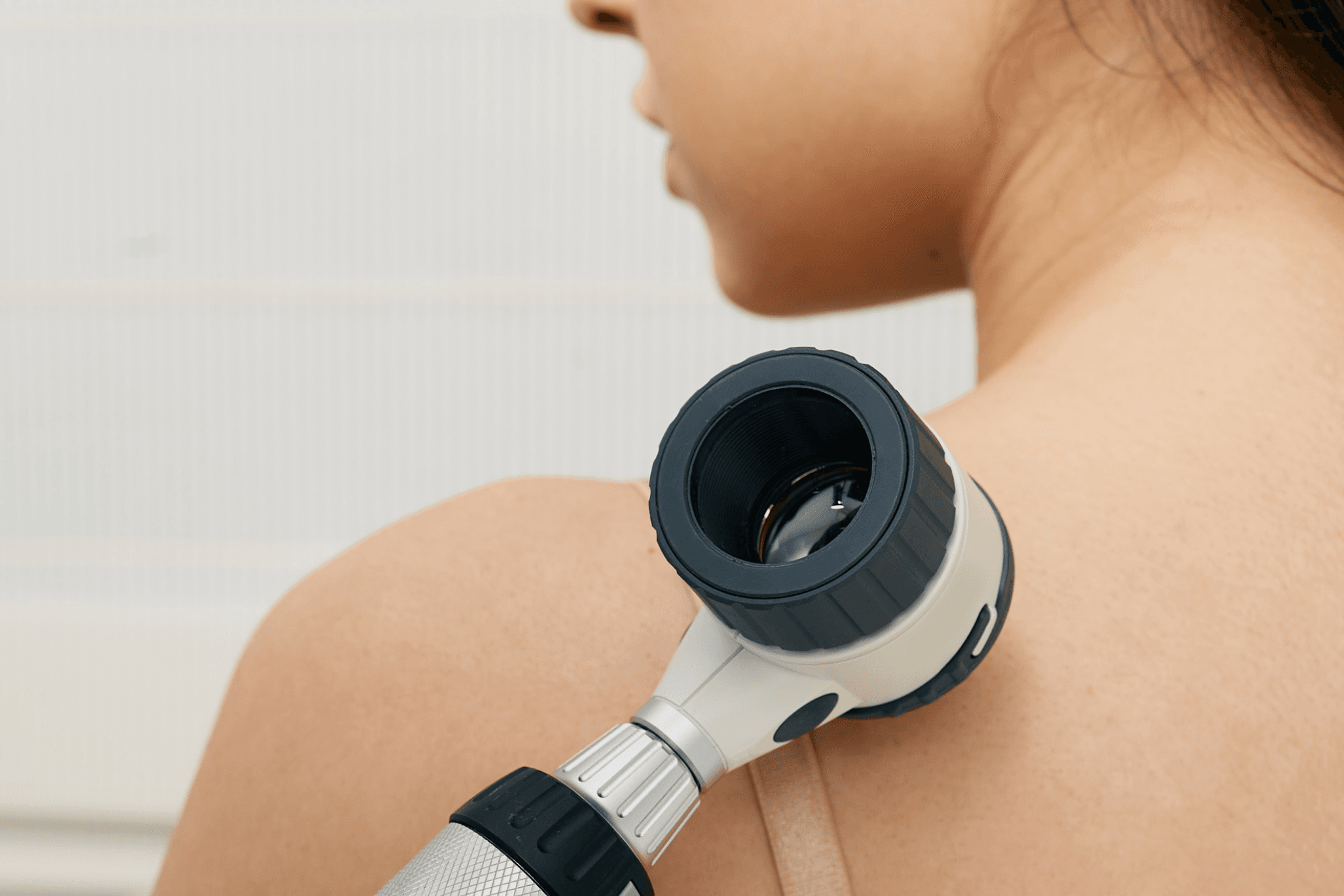
Your doctor will ask about the spot that concerns you, your medical history, and relevant risk factors. They will explain the examination and may recommend checking more of your skin. A dermatoscope, a small handheld magnifying instrument, can help them look at individual spots more closely.
You can ask questions and discuss any concerns about the examination. Your consent matters, and you can decline, pause any part of the check, or ask for a chaperone.
If a spot needs further investigation, your doctor will explain the options. These may include monitoring, a biopsy or referral. A biopsy involves taking a tissue sample for laboratory testing; a skin check does not automatically mean a spot needs to be removed.
Before your appointment
Make a note of the spots you want to discuss and when you first noticed any changes. Bring any relevant previous skin cancer or pathology reports you have, particularly if treatment took place elsewhere.
When booking, explain whether you have a specific spot of concern or are seeking advice about a broader skin check. Ask reception which appointment type to choose, what the fee is, and whether there are any preparation instructions.
Keep sun protection part of the routine
A skin check does not replace sun protection. Use sun protection when the UV Index is 3 or above, including on cool or cloudy days. Clothing, a broad-brimmed hat, sunglasses, shade and sunscreen work together to reduce UV exposure. Check the local UV forecast before heading outdoors.
Arrange a skin appointment in Copacabana
Copacabana Medical Centre offers skin checks at our practice opposite Copacabana Beach. If you have noticed a change or would like to discuss your skin cancer risk, call 02 4381 1576. Reception can help you choose an appropriate appointment and explain the current fees.
Read about our skin check service or contact the practice.
This article provides general information and does not replace advice about your individual circumstances.
Further information
Cancer Council Australia — Checking your skin
Cancer Council NSW — Skin checks and personal risk